
For homeowners in Langley, deciding whether to upgrade to a tankless water heater involves evaluating how this system aligns with daily needs and home infrastructure. Choosing to upgrade to a tankless water heater offers a shift from traditional storage tanks, providing hot water on demand without the constant energy use associated with keeping a reservoir heated.
This approach can suit various household sizes, but understanding the details is essential before making a change.
How Tankless Water Heaters Work
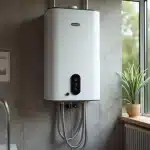
Tankless water heaters, also known as on-demand systems, heat water directly as it flows through the unit, eliminating the need for a large storage tank. This design activates only when a hot water tap is opened, using either gas or electricity to raise the temperature quickly.
In regions like Langley, where weather patterns include cooler seasons, these systems must handle varying inlet water temperatures effectively.
The core mechanism involves a heat exchanger that transfers energy to the water, ensuring it reaches the desired level before delivery. Unlike conventional tanks that maintain a set volume at all times, tankless models avoid standby heat loss, which occurs when stored water cools and requires reheating.

The Importance of Proper Tankless Water Heater Installation
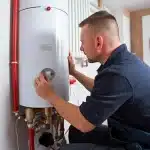
One key aspect for Langley homeowners is the importance of proper installation when you upgrade to a tankless water heater. Installing a tankless water heater in Langley requires attention to venting, electrical or gas supply, and water line compatibility to ensure safe and reliable operation. Improper setup can lead to reduced efficiency or potential hazards, such as inadequate exhaust of combustion gases in gas-powered units.
Professionals assess the home’s existing plumbing and energy infrastructure, making adjustments like upgrading gas lines if the current ones cannot support the higher demand during peak use. In Langley, local building codes emphasize secure mounting and proper insulation to prevent issues in fluctuating temperatures.
For instance, a homeowner in your area with an older home might discover during installation that reinforcing the mounting location enhances stability, allowing the system to perform consistently over time.
Advantages When You Upgrade to a Tankless Water Heater
When considering whether to upgrade to a tankless water heater, the advantages become apparent in daily use. These systems deliver a continuous supply of hot water, which is particularly useful for households with multiple occupants or frequent simultaneous demands, such as showers and laundry.
Energy efficiency stems from heating water only when needed, reducing overall consumption compared to tanks that cycle on periodically. Additionally, tankless units typically have a longer operational life due to fewer components exposed to constant water storage, which can lead to corrosion in traditional models.
Space savings are another benefit, as the compact design allows installation in tighter areas like closets or utility rooms, freeing up floor space in basements or garages common in Langley homes.
To illustrate, imagine a family in your area hosting guests during the holidays; with a tankless system, they avoid running out of hot water midway through preparations, maintaining comfort without interruption. This reliability extends to performance in various scenarios, where the unit adjusts output based on flow rate.
Technical and Performance Considerations
Technical and performance considerations play a significant role in the decision to upgrade to a tankless water heater. Flow rate, measured in gallons per minute, determines how much hot water the system can provide at once, influencing suitability for the home’s size and usage patterns. In colder climates like Langley’s, incoming water temperature affects the unit’s ability to achieve the desired rise, so selecting a model with sufficient capacity is crucial.
Energy factor ratings indicate how effectively the system converts fuel into heat, with higher values suggesting better performance over time. Maintenance requirements, such as periodic descaling to remove mineral buildup, ensure longevity, especially in areas with hard water. Venting options for gas models must comply with safety standards to expel byproducts outdoors efficiently.
Here are some steps to evaluate performance needs before proceeding:
- Assess household hot water usage by noting peak times and simultaneous demands.
- Measure incoming water temperature during the coldest months to calculate required temperature rise.
- Review energy source availability, whether natural gas lines are accessible or electrical panels can handle the load.
- Consult local regulations in Langley to confirm compliance with installation and operation guidelines.
Factors Influencing Pricing
Factors influencing pricing for tankless water heaters vary based on several elements without specific numerical references. The type of fuel source, gas or electric, affects the overall setup due to differences in infrastructure requirements.
Larger capacity units designed for bigger homes or higher flow rates involve more complex components. Brand reputation and features like advanced controls or built-in recirculation systems contribute to variations. Installation complexity, such as necessary upgrades to existing lines or venting, plays a role depending on the home’s age and layout.
In Langley, regional factors like access to qualified technicians and material availability can also impact the process. Homeowners should consider these aspects holistically when planning to upgrade to a tankless water heater.
Upgrading to a tankless water heater represents a thoughtful investment for Langley homeowners seeking reliable hot water solutions. By prioritizing proper installation and technical fit, these systems can deliver consistent performance tailored to local conditions. Ultimately, the choice depends on aligning the benefits with individual household dynamics for optimal results.