
Winter in Vancouver can be long and chilly, and when temperatures drop, keeping your home warm becomes a priority. However, with rising energy costs, homeowners often face the challenge of finding ways to stay warm without racking up their heating bills. An HVAC system plays a crucial role in maintaining comfort during the cold months, but it needs to be efficient to avoid unnecessary costs. Fortunately, there are plenty of steps you can take to improve your HVAC system’s energy efficiency and reduce your winter heating bills.
In this article, we’ll walk you through practical tips to enhance the energy performance of your HVAC system in Vancouver’s cold winters. From maintenance to smarter system upgrades, you’ll find the right advice to keep your home cozy and cost-effective.

Why HVAC Efficiency Matters in Vancouver’s Winters
Vancouver’s winter climate can be challenging, with temperatures often dipping below freezing and heavy rainfall in between. When it’s cold outside, your HVAC system works overtime to keep the indoor temperature comfortable. However, an inefficient system can lead to wasted energy and higher costs.
Having an energy-efficient HVAC system can drastically reduce your energy consumption, helping you stay warm without spending a fortune. But maintaining this efficiency requires effort and regular care. If you want to lower your heating costs while still staying warm, improving the efficiency of your HVAC system is the first step.
Regular HVAC Maintenance: Keep It Running Smoothly
The foundation of any energy-efficient HVAC system starts with regular maintenance. Think of your HVAC system as a machine that needs attention to perform at its best. A well-maintained system is less likely to waste energy, break down unexpectedly, or cause uncomfortable temperature fluctuations.
Why it matters:
Regular maintenance helps prevent issues that can cause inefficiency, such as clogged filters or dirty coils. It also ensures that the system’s components are functioning as intended, which keeps it running smoothly and efficiently.
What to do:
- Change the air filters regularly, as dirty filters block airflow and make the system work harder.
- Clean and inspect the system’s evaporator and condenser coils to ensure they’re free of dust and debris.
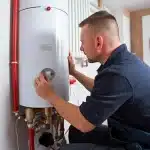
- Schedule an annual check-up from a certified technician to check refrigerant levels, test the system’s performance, and clean parts that need attention.
Upgrade to a High-Efficiency Heat Pump
If your HVAC system is outdated, upgrading to a newer, high-efficiency model could make a significant difference in both comfort and cost. Heat pumps, in particular, are an excellent choice for Vancouver’s climate. Unlike traditional furnaces, which generate heat through combustion, heat pumps transfer heat from the air or ground outside into your home.

Why it matters:
Heat pumps are more energy-efficient than traditional heating systems, especially in moderate climates like Vancouver. They use less energy to provide the same amount of heating and can even be used for cooling in the warmer months.
What to do:
- If your current system is more than 10 years old, consider replacing it with a modern heat pump that is designed for better energy efficiency.
- Look for Energy Star-rated units, which meet high-efficiency standards and can reduce heating costs by up to 50%.
Optimize Your Thermostat Settings
A simple but highly effective way to save energy is by optimizing your thermostat settings. Overheating your home or leaving the thermostat running unnecessarily can waste energy and lead to high heating bills. By adjusting the temperature to fit your schedule, you can save energy without sacrificing comfort.
Why it matters:
Every degree you lower the thermostat can lead to significant energy savings over time. Plus, with the right thermostat settings, your HVAC system doesn’t need to work as hard to maintain your home’s temperature.
What to do:
- Set the thermostat to 18°C (64°F) when you’re at home and awake, and lower it by 5–10°C when you’re sleeping or away.
- Consider installing a smart thermostat that allows you to program the temperature based on your daily routine. Some smart thermostats even learn your habits and adjust the temperature automatically, helping you save without lifting a finger.
Insulate Your Home to Prevent Heat Loss
One of the biggest culprits of energy loss in Vancouver homes is poor insulation. Heat escapes through walls, windows, and roofs, forcing your HVAC system to work harder to maintain the temperature. Improving insulation is one of the most cost-effective ways to increase HVAC efficiency.
Why it matters:
Proper insulation can prevent heat from escaping and reduce the load on your heating system. This ensures your HVAC system only needs to work as hard as necessary to keep your home warm, which in turn lowers your energy consumption.
What to do:
- Check your home’s insulation, especially in attics, walls, and floors, and upgrade if needed.
- Seal any drafts around windows, doors, and ductwork to prevent warm air from leaking out.
- Consider energy-efficient windows to reduce heat loss and minimize the work your HVAC system needs to do.

Utilize Zoned Heating for Better Control
Zoned heating allows you to heat only the rooms that need it, rather than heating your entire home. This is particularly beneficial in large homes or multi-level buildings where some areas may not require as much heat.
Why it matters:
By only heating the areas you use, you can significantly reduce the energy your HVAC system consumes. Zoned heating also allows for greater comfort since you can set different temperatures for various rooms.
What to do:
- Install zone controls or smart thermostats that allow you to independently control the temperature in each room or zone of your home.
- Focus on heating the most used areas, such as living rooms and bedrooms, and set the temperature lower in unused spaces.
Seal Ducts and Ensure Proper Airflow
Leaky ducts are another major factor that reduces HVAC efficiency. When air escapes through cracks or holes in the ductwork, your system has to work harder to reach the desired temperature, resulting in energy waste.
Why it matters:
Sealing ducts ensures that all the warm air produced by your HVAC system reaches its destination without escaping into hidden spaces. Proper airflow is essential for keeping the system running efficiently and preventing overheating.
What to do:
- Inspect your ductwork for leaks and seal any visible cracks.
- Insulate your ducts, especially if they run through unconditioned spaces such as attics or basements, to prevent heat loss.
Conclusion: Save Energy and Stay Warm in Vancouver’s Winters
Improving the energy efficiency of your HVAC system in Vancouver’s cold winters isn’t just about saving money; it’s also about making your home more comfortable and environmentally friendly. By following these simple yet effective steps—such as scheduling regular maintenance, upgrading to a more efficient system, optimizing thermostat settings, and improving insulation—you can keep your home warm without excessive energy waste.
The cold weather may make your heating system work harder, but with the right strategies in place, you can ensure that your HVAC system performs at its best while keeping your energy bills in check. Start implementing these changes today and enjoy a warmer, more energy-efficient home this winter.
Looking to improve your HVAC system’s energy efficiency? Contact us today at Green Air Home Solution for expert HVAC installation, maintenance, and upgrades. We also provide reliable tankless water heater Burnaby services for homeowners looking to boost comfort and efficiency. We’re here to help you stay comfortable and save energy throughout the winter!