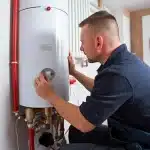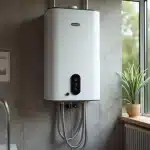

A boiler is a critical component in many heating systems, and proper maintenance is essential to ensure its longevity, efficiency, and safety. Regular boiler maintenance services, along with timely boiler repair in Burnaby, can help prevent unexpected breakdowns, lower energy bills, and extend the lifespan of your boiler. This article provides a comprehensive boiler maintenance checklist that will guide homeowners and business owners through the essential steps for keeping their boiler in top condition.
Why Boiler Maintenance Is Important
Boilers are responsible for heating your home or business, and when they fail, it can cause major disruptions. Regular maintenance can prevent problems such as:
- Inefficient operation: Over time, your boiler can lose efficiency, leading to higher energy bills.
- Breakdowns: Without proper care, components of the boiler can fail, leading to costly repairs or replacements.
- Safety concerns: Boilers that aren’t maintained regularly can develop issues such as gas leaks or carbon monoxide buildup, both of which are dangerous to health and safety.
By following a regular boiler maintenance checklist, you ensure that your boiler operates efficiently, safely, and reliably, year after year.
Boiler Maintenance Checklist: Key Steps to Follow
1. Check for Leaks
The first step in any boiler maintenance checklist is to check for leaks. Leaking water or gas can indicate serious issues within the system, such as:
- Leaking pressure relief valves: These valves help regulate the pressure in the boiler. If they leak, your system may be overpressurized, which can cause it to fail.
- Internal pipe leaks: Check the connections between pipes to ensure there are no signs of water leakage.
Action: If you notice any leaks, immediately shut off the boiler and contact a professional technician to inspect and repair the system.

2. Inspect the Pressure Gauge
The pressure gauge of a boiler is an important component that helps regulate the internal pressure of the system. Too high or too low pressure can affect the boiler’s performance and lead to malfunctions.
- Ideal pressure: A healthy boiler typically operates at a pressure between 1 and 1.5 bars when cold, and up to 2 bars when the system is heated.
- Low pressure: Low pressure is often caused by a water leak or the need to repressurize the system.
- High pressure: This can be caused by a faulty pressure relief valve or issues with the expansion vessel.
Action: If the pressure is too low or too high, adjust the pressure as needed or call a professional to assess and correct the issue.
3. Bleed the Radiators
Over time, air can accumulate in the radiators, leading to cold spots and inefficient heating. Bleeding your radiators is a simple task that can improve the efficiency of your heating system.
Action: Turn off the boiler and allow the system to cool before opening the valve at the top of the radiator with a radiator key. Let the air escape, and then tighten the valve. Repeat this process for all radiators in your home or business.
4. Clean the Boiler Components
A key part of maintaining any boiler system is ensuring that the components are clean and free from buildup. Dust, grime, and sludge can build up over time, affecting the efficiency of the boiler.
- Heat exchanger: The heat exchanger is responsible for transferring heat. Over time, sludge can build up, reducing efficiency.
- Burners: Dirty burners can cause inefficient fuel combustion, leading to higher energy consumption and more frequent breakdowns.
- Flue: A blocked flue can prevent dangerous gases from being expelled properly.
Action: Use a vacuum or cloth to clean dust off accessible components. However, for more intricate parts such as the heat exchanger and burners, it’s best to have a professional clean the system.
5. Test the Thermostat
Your thermostat controls the temperature in your home or business, and if it’s malfunctioning, it can lead to inconsistent heating and higher energy bills.
- Calibration: If your thermostat is reading incorrectly, it may need to be recalibrated.
- Location: Ensure the thermostat is located in an ideal position, away from drafts, heat sources, or direct sunlight, as these can affect its accuracy.
Action: Test your thermostat to ensure it is responding correctly. If it’s not functioning properly, consider recalibration or replacement.

6. Check the Condensate Pipe for Blockages
For condensing boilers, the condensate pipe is responsible for draining away excess moisture produced during the heating process. If the pipe becomes blocked, it can cause the boiler to shut down and result in a frozen pipe during colder weather.
- Common blockages: Limescale buildup or debris can block the pipe, especially if the pipe is located outside in cold weather.
Action: Check the condensate pipe for any visible blockages and clear them. If the pipe is frozen, defrost it by pouring warm (not boiling) water over it. If you are unable to clear the blockage, call a professional.
7. Inspect the Boiler’s Burner and Flame
The burner is responsible for igniting the fuel that heats the boiler. Over time, the burner can become dirty or malfunction, leading to poor combustion and energy inefficiency.
- Normal flame: A healthy flame should be blue. Yellow or orange flames can indicate incomplete combustion and may require servicing.
- Dirty burner: Soot or grime buildup on the burner can cause inefficient heating and damage the system over time.
Action: Visually inspect the burner’s flame and cleanliness. If there are any abnormalities, contact a technician to clean or service the burner.
8. Check for Carbon Monoxide Leaks
Carbon monoxide (CO) is a silent, odorless gas that can be deadly in high concentrations. Leaks can occur if the system is not maintained properly, and it’s important to regularly check for signs of CO buildup.
- Install CO detectors: Ensure that CO detectors are installed in your home or business near the boiler to detect any dangerous levels of carbon monoxide.
Action: If you suspect a CO leak, immediately turn off the boiler, open windows, and evacuate the area. Contact emergency services and a qualified technician to fix the leak.

9. Clean the Boiler’s Air Ventilation System
Boilers need proper ventilation to function effectively and safely. A blocked air vent can lead to overheating and even damage the system.
Action: Ensure that the air vents are clear of any obstructions. Clean them regularly to allow proper airflow into the boiler.
10. Service the Expansion Vessel
The expansion vessel helps manage the pressure in your heating system as the water heats up and expands. If the vessel is not functioning properly, it can lead to excessive pressure in the system, causing leaks and damage.
- Signs of failure: If the pressure rises quickly or remains too high, the expansion vessel may need servicing.
Action: Check the vessel for signs of damage or malfunction. If necessary, a technician will recharge or replace the vessel.
11. Schedule Professional Boiler Service
While many of these tasks can be done by homeowners, certain complex maintenance tasks should always be performed by a professional. A certified technician has the tools, experience, and knowledge to thoroughly inspect and service your boiler.
Action: Schedule a professional service once a year to ensure your boiler remains in excellent condition and avoid costly repairs down the line.
When to Call a Professional for Boiler Maintenance
While many of these maintenance tasks can be completed by homeowners or business owners, there are times when it’s best to call a professional. If you notice:
- Unusual noises, such as banging or whistling
- A significant drop in heating efficiency
- A boiler that’s constantly shutting off
- A yellow or orange flame instead of blue
It’s time to have a professional inspect and service your boiler to ensure it’s operating safely and efficiently.

Conclusion
Regular boiler maintenance is essential to ensure the safety, efficiency, and longevity of your system. By following this boiler maintenance checklist, you can help prevent costly repairs, improve energy efficiency, and extend the life of your boiler. However, always remember that when in doubt, it’s important to call a qualified professional to handle more complex issues.
Routine maintenance helps you enjoy consistent heating, lower energy bills, and peace of mind knowing your system is functioning properly. Don’t wait for a breakdown to occur—schedule regular boiler checkups, or consider services like furnace installation near you in Burnaby, tankless water heater in Burnaby and keep your system running smoothly.